 Smart Garage Door Insulation Tips, Reviews & DIY Guides
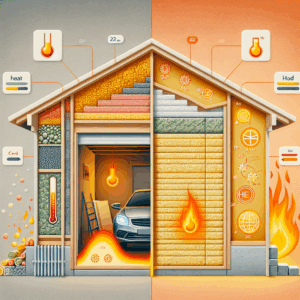 When improving your garage’s temperature control, a common question arises: should you focus on garage door insulation or wall insulation first? While both matter, their impact on comfort and energy efficiency can differ depending on your climate, garage type, and how you use the space.
Understanding how heat flows in a garage
Garages lose and gain heat through four main paths: the door, walls, ceiling, and floor. The door typically has the largest surface area directly exposed to outdoor air, while walls affect adjacent rooms and interior temperature stability.
That means your insulation priorities depend on whether your garage is attached or detached, and whether it shares walls with conditioned living spaces.
1. Insulating the Garage Door
Garage doors are usually made of thin steel or aluminum sheets — excellent heat conductors. Without insulation, they allow fast heat transfer, making the garage freezing in winter or baking hot in summer. Adding insulation panels can improve energy efficiency and comfort immediately.
- Best materials: Rigid foam, fiberglass kits, or reflective foil (depending on climate).
- Average R-value improvement: from R-2 (bare metal) to R-8 or higher with insulation.
- Bonus benefit: Reduced noise and smoother door operation.
👉 Shop best garage door insulation kits
2. Insulating the Walls
If your garage shares walls with a bedroom, kitchen, or living area, wall insulation can have a greater impact on your home’s overall energy performance. Heat moves easily through drywall and studs, so insulating with fiberglass batts or spray foam can reduce thermal transfer significantly.
- Best materials: Fiberglass batts, cellulose, or closed-cell spray foam.
- Average R-value improvement: R-13 to R-21 (depending on wall thickness).
- Bonus benefit: Quieter interior rooms and reduced street noise.
👉 See top-rated wall insulation materials
3. Ceiling and Attic Considerations
Heat rises — which means an uninsulated garage ceiling can leak warm air in winter and trap heat in summer. Adding attic or ceiling insulation often multiplies the benefits of both door and wall upgrades.
Recommended R-values: R-30 to R-38 for ceilings in cold climates; R-19 to R-30 for hot regions.
Which should you do first?
| Factor | Priority | Reason |
|---|---|---|
| Detached garage | Door insulation first | Door is main heat exchange surface |
| Attached garage | Wall insulation first | Shared walls affect indoor comfort |
| Workshop garage | Both equally | Consistent year-round temperature |
| Budget projects | Door insulation first | Lower cost, visible improvement |
Cost and energy savings comparison
Adding garage door insulation typically costs $80–$200 for a two-car door, while insulating walls can range from $400–$1,200 depending on materials and labor. However, wall insulation offers better long-term ROI in attached garages due to reduced HVAC load.
Pro tip: Combine both upgrades for maximum comfort — even a partial wall or door project delivers noticeable results.
Best combination for your climate
- Cold climates: Prioritize door insulation (fiberglass or rigid foam) to retain heat.
- Hot climates: Reflective foil on the door + fiberglass walls for radiant + conductive protection.
- Mild climates: Hybrid approach — thin reflective door insulation and moderate wall coverage.
Final verdict
If you can only do one, start with the garage door. It’s faster, cheaper, and delivers immediate results in most regions. But if your garage shares interior walls, add wall insulation next to cut household energy loss and improve comfort even more.
👉 See top-rated garage insulation kits on Amazon
“I get commissions for purchases made through links in this post.”