 Smart Garage Door Insulation Tips, Reviews & DIY Guides
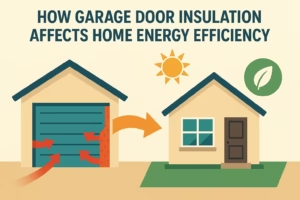 When homeowners think about saving on energy bills, they often focus on windows, attics, or walls — but the garage door is one of the most overlooked energy drains in the home. An uninsulated door can leak heat in winter and trap heat in summer, forcing your HVAC system to work overtime.Adding garage door insulation can significantly boost your home’s energy efficiency, reduce temperature fluctuations, and save you hundreds of dollars per year. Let’s explore how it works and what you can expect.
Why the garage door matters for energy efficiency
The garage is typically one of the largest unconditioned spaces in a home, connected directly to interior walls or even bedrooms. In many homes, the garage door represents over 30% of the exterior surface area.
If your door isn’t insulated, hot or cold air can easily transfer through the thin metal panels, raising indoor temperatures and increasing heating or cooling costs. This is especially true for attached garages with living spaces above or beside them.
Fact: The U.S. Department of Energy estimates that an insulated garage door can reduce overall home energy loss by up to 20–25% in some climates.
How insulation improves efficiency
Insulation works by slowing down heat transfer. It keeps warm air inside during winter and prevents heat from entering in summer. When applied to a garage door, it stabilizes garage temperatures and helps maintain more balanced indoor conditions throughout the home.
- Thermal barrier: Reduces conductive heat flow through metal panels.
- Air sealing: Minimizes drafts and leaks around the door edges.
- Radiant reflection: Reflective materials block sun heat before it enters.
👉 Shop top-rated insulated garage door kits on Amazon
Best insulation types for energy savings
1. Polystyrene Foam Board
Provides a good balance between thermal resistance and cost. Easy to install and lightweight, with R-values between R-4 and R-6 per inch.
Best for: Moderate climates
R-value: R-6
2. Polyurethane Spray Foam
Offers the highest insulation performance, with R-values of R-7 to R-9 per inch. It bonds directly to the door surface, sealing small gaps for maximum efficiency.
Best for: Extreme cold or hot climates
R-value: Up to R-9
3. Reflective Foil with Foam Core
Ideal for hot climates where radiant heat is the main issue. Reflective foil can block up to 97% of radiant heat from the sun.
Best for: Southern U.S. and sun-facing garages
R-value: R-3 to R-6
👉 Compare insulation materials on Amazon
Real-world energy savings
Let’s look at real numbers. Homeowners who install insulated garage doors or insulation kits report savings of:
- $80–$120/year in heating/cooling costs for attached garages
- 10–20% lower HVAC runtime due to reduced heat exchange
- Up to 15°F temperature difference inside the garage during peak seasons
These savings depend on your climate, insulation type, and how well your garage is sealed.
Secondary benefits beyond energy efficiency
- Noise reduction: Insulated doors are much quieter when opening and closing.
- Durability: Insulation strengthens door panels and reduces vibration.
- Comfort: A more stable garage temperature benefits stored items and workshops.
Insulated vs. non-insulated door comparison
| Feature | Non-Insulated Door | Insulated Door |
|---|---|---|
| Average Garage Temperature (Winter) | 40°F | 55°F |
| Average Garage Temperature (Summer) | 95°F | 78°F |
| Energy Efficiency Rating | Low | High |
| Noise Level | Loud | Quiet |
Tips to maximize insulation performance
- Seal gaps with weatherstripping and rubber gaskets around edges.
- Insulate the garage ceiling if there’s a living space above.
- Use an insulated side access door for complete coverage.
- Choose a door with polyurethane core if replacing the whole unit.
These extra steps can improve overall energy retention by another 10–15%.
Environmental impact
Improving your garage’s insulation doesn’t just save money — it also reduces your carbon footprint. By lowering your HVAC’s workload, you use less electricity or gas, resulting in fewer greenhouse gas emissions.
Estimated CO₂ reduction: ~300–500 lbs per year for an average home.
Final thoughts
Garage door insulation is one of the most cost-effective upgrades for improving home energy efficiency. Whether you’re aiming to lower bills, stabilize indoor temperatures, or create a more comfortable workspace, the results are immediate and long-lasting.
Even a simple DIY kit can make a big difference. Start small — and feel the temperature (and energy bill) difference within days.
👉 Shop energy-efficient garage door insulation kits on Amazon
“I get commissions for purchases made through links in this post.”