 Smart Garage Door Insulation Tips, Reviews & DIY Guides
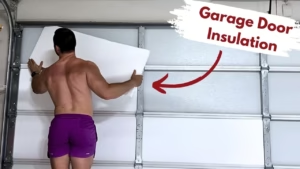 Short answer: Yes — in most cases garage door insulation works, but how well it works depends on your climate, door type and the insulation material you choose. This article breaks down realistic expectations, measurable benefits (energy savings, temperature stabilization, noise reduction), and the best ways to get the results homeowners actually notice.
What “Works” Means — Set your expectations
When people ask whether insulation “works,” they usually mean one of three things:
- Lower energy bills — does insulation reduce heating/cooling costs?
- Comfort — does it make the garage (or attached rooms) noticeably warmer or cooler?
- Noise & protection — does it reduce road/impact noise and protect stored items?
All three are achievable, but the degree of improvement depends on factors below.
Factors that determine effectiveness
Not all garage doors and homes are the same. Expect different results based on:
- Door construction: Metal doors conduct heat rapidly; insulated doors already built with cores perform best. Thin steel doors benefit the most from added insulation.
- Climate: In cold climates high R-value materials (rigid foam, fiberglass panels) reduce overnight heat loss. In hot, sunny climates reflective insulation that blocks radiant heat performs better.
- Installation quality: Even perfect insulation underperforms if gaps, poor seals, or a leaky perimeter allow air leaks. Proper weatherstripping is essential.
- Garage usage: If the garage is a workshop or attached to living space, gains are more valuable than in an unused storage garage.
What the evidence and homeowner reports show
Homeowners who properly install insulation — especially when they pair it with good door seals and attic/wall insulation — report:
- Measured temperature shifts of 5–15°F (3–8°C) inside the garage relative to an uninsulated door on comparable days.
- Lower peak HVAC loads for homes with attached garages (less cold air infiltration into adjacent rooms).
- Quieter garage environments — thicker materials and added mass reduce road and wind noise.
Real energy bill savings vary widely: a detached, well-ventilated garage will show less utility impact than an attached, uninsulated garage that shares walls with conditioned space.
Which materials deliver the best results?
There is no single “best” material for all situations. Match the material to the outcome you want:
- Reflective foil (Reflectix-style) — excellent at reducing radiant heat on metal doors in sunny climates; fastest and cheapest to install.
- Rigid foam board (polyiso / XPS) — very high R-value per inch, lightweight, good moisture resistance — great all-around option.
- Fiberglass panels (e.g., Owens Corning) — higher conductive R-value, durable for cold climates but require careful handling and moisture protection.
Common mistakes that reduce effectiveness
Even the best insulation fails if the install is sloppy. Avoid these common pitfalls:
- Poor edge sealing—air leaks around the door nullify most benefits.
- Using the wrong material for climate—e.g., relying only on reflective foil in a place where conductive heat loss dominates.
- Adding too much weight to the door without checking opener/spring capacity—this can strain equipment and cause operational issues.
How to maximize the benefit
- Start with a proper seal: Replace the bottom sweep and side seals if they are worn.
- Select materials for your climate: reflective + foam combos are great for mixed climates; thick foam or fiberglass works best for very cold winters.
- Install carefully: measure panels accurately and seal every edge. If you want step-by-step instructions, see our full guide: How to Insulate a Garage Door: Step-by-Step.
- Consider hybrid solutions: a thin reflective layer plus foam board often gives balanced year-round performance.
Quick product suggestions (starter picks)
Below are typical starter options homeowners use. Replace the sample link with your Amazon affiliate link when you publish.
- Reflective foil kit — fast, cheap, good for sunny garages. Check price on Amazon
- Polyiso foam board (cut to size) — best R-value-per-inch. Buy foam boards
- Owens Corning pre-cut fiberglass panels — premium cold-climate solution. View on Amazon
Bottom line
Yes — garage door insulation really works when matched to climate and installed properly. Think of insulation as one important piece in a system: door insulation + perimeter sealing + garage wall/ceiling insulation yields the best comfort and energy results. For a practical comparison of materials, see our head-to-head: Reflectix vs Owens Corning, and for the best kits to buy check our roundup: Best Garage Door Insulation Kits.
Editor’s note: If you’re unsure which option fits your garage, start with a reflective kit for a quick test and upgrade to foam or fiberglass if you need more winter performance.
“I get commissions for purchases made through links in this post.”